
The basic idea
What does fiat mean?
Fiat currency is money issued by a government and managed through institutions such as central banks and commercial banks.
Examples include the Australian dollar, United States dollar, euro, British pound and Japanese yen.
Modern fiat currencies are generally not backed by a fixed quantity of gold, silver or another physical commodity.
Their value comes largely from public confidence, government authority, economic activity and the expectation that others will continue accepting them.
Simple definition
Fiat currency is government-issued money that is accepted because people and institutions recognise it as money.
Core characteristics
What defines fiat currency?
Fiat systems differ between countries, but they generally share several important characteristics.
Government-issued
Fiat currencies are issued and supported by governments and their monetary institutions.
Legal tender
They are officially recognised for settling debts and making payments within a country.
Not commodity-backed
Modern fiat currency is generally not redeemable for a fixed quantity of gold or another commodity.
Centrally managed
Central banks and governments influence the currency supply, interest rates and financial conditions.
Legal recognition
What is legal tender?
Legal tender is money officially recognised under the laws of a country for settling certain financial obligations.
Governments generally require taxes, fees and many public obligations to be paid in the national currency.
This creates continuing demand for that currency because people and businesses need it to participate in the economy and meet legal obligations.
However, legal tender laws are only one part of why a currency is accepted. Confidence in the institutions and economy behind it also matters.
Physical and digital money
Most fiat currency is not physical cash
Banknotes and coins are the most visible forms of fiat currency, but much of the money used today exists as digital bank balances.
When you are paid through a bank transfer, your bank updates its records to show a higher account balance.
When you pay with a card, the banking and payment systems update records between accounts. Physical cash usually does not move.
This digital system is convenient, but it depends on banks, payment processors and financial infrastructure remaining available.
Physical fiat
Notes and coins that can be held and exchanged directly.
Digital fiat
Account balances stored and transferred through financial institutions.
Monetary management
Who manages fiat currency?
Central banks are major institutions within fiat monetary systems.
They may influence interest rates, credit conditions and the availability of money throughout the economy.
Commercial banks also play an important role because lending can create new deposit balances within the banking system.
Governments influence monetary conditions through spending, taxation and borrowing, although central banks may operate with varying degrees of independence.
Next concept
How does new money enter circulation?
Modern money creation involves central-bank money and commercial-bank deposits. The next lesson separates those forms and explains lending, repayment and the limits banks face.
Continue to How Money Is CreatedInflation
Why purchasing power can decline
Price inflation refers to a broad increase in the prices of goods and services over time.
When prices rise, each unit of currency buys less than it previously did. This is a loss of purchasing power.
Inflation can result from several interacting factors, including changes in demand, production costs, supply shortages, credit conditions and monetary expansion.
An expanding money supply does not automatically produce an identical increase in every price, but it can affect demand, asset prices and the value of currency over time.
Prices rise
The same basket of goods costs more currency than it did previously.
Savings buy less
Money held without earning enough interest may lose purchasing power.
Wages may lag
Income does not always increase as quickly as the cost of living.
Historical case studies
When confidence in a currency collapses
Hyperinflation is rare and does not have one universal cause. Historical episodes commonly combine severe fiscal stress, war or political disruption, falling production, monetary financing and a loss of public confidence.
These examples are not evidence that every fiat currency must fail. They show why monetary institutions, productive capacity, fiscal discipline and confidence all matter.
Germany, 1922–1923
Post-war disruption, reparations, large fiscal deficits and monetary financing combined with collapsing confidence. Prices accelerated so rapidly that the mark stopped functioning reliably as money.
Hungary, 1945–1946
War damage and fiscal breakdown contributed to the most severe recorded hyperinflation. The pengő was replaced by the forint as part of a wider stabilisation programme.
Zimbabwe, 2007–2009
Falling output, policy instability, public-sector deficits and monetary financing culminated in hyperinflation. The domestic currency was abandoned in early 2009 for a multi-currency system.
Further reading: IMF, Stopping High Inflation and IMF, A Brief Monetary History of Zimbabwe.
Monetary policy
Why do central banks change interest rates?
Interest rates influence borrowing, saving, spending and investment throughout the economy.
Lower rates can make borrowing cheaper and encourage economic activity, while higher rates can reduce borrowing and help slow demand.
Central banks may adjust rates in an attempt to support employment, economic stability and controlled inflation.
These decisions involve trade-offs and their effects are not always immediate or evenly distributed.
Balanced assessment
Benefits and trade-offs of fiat systems
Fiat currency provides useful flexibility and convenience, but that flexibility also introduces risks.
Flexible monetary policy
Authorities can respond to recessions, financial crises and changing economic conditions.
Convenient for payments
Fiat currencies are widely accepted and supported by established banking and payment systems.
Stable unit of account
Prices, wages, debts and taxes are commonly measured in the national currency.
Supply can expand
Unlike assets with fixed issuance rules, fiat currency supply can increase through policy and lending.
Purchasing power can fall
Persistent price inflation means each unit of currency may buy fewer goods and services over time.
Users rely on institutions
Digital fiat payments usually depend on banks, payment processors and centralised account records.
Confidence and trust
Fiat money depends on confidence
People accept fiat currency because they expect businesses, governments and other individuals to accept it in return.
Confidence may depend on political stability, responsible monetary management, functioning institutions and the productive strength of the economy.
When confidence collapses, a currency can experience rapid devaluation, capital flight or severe inflation.
Connecting this to Bitcoin
Fiat currency and Bitcoin use different monetary models
Fiat currencies are centrally managed and have supplies that can change through policy, banking activity and economic conditions.
Bitcoin operates according to publicly verifiable software rules and follows a predetermined issuance schedule.
Bitcoin does not remove the need for trust entirely, but it changes where trust is placed. Users can independently verify the network's rules instead of relying solely on a central monetary authority.
The next lesson explains what Bitcoin is and how its network operates.
Fiat currency
Issued and managed through governments, central banks and the banking system.
Bitcoin
Issued according to transparent rules enforced by a decentralised network.
Knowledge check
Before continuing
What gives fiat currency its value?
What does legal tender mean?
Why is most modern money considered digital?
Which institutions influence monetary conditions?
What does a loss of purchasing power mean?
How does Bitcoin's issuance differ from fiat currency?
Visual recap
How fiat money moves
Modern money combines central-bank currency with deposits created and managed through commercial banks.
Central bank
Banking system
People and businesses
Payments and saving
References
Further reading
From the 21Relay Library
Recommended reading for this lesson
Optional books selected to reinforce this topic or provide a useful second perspective.
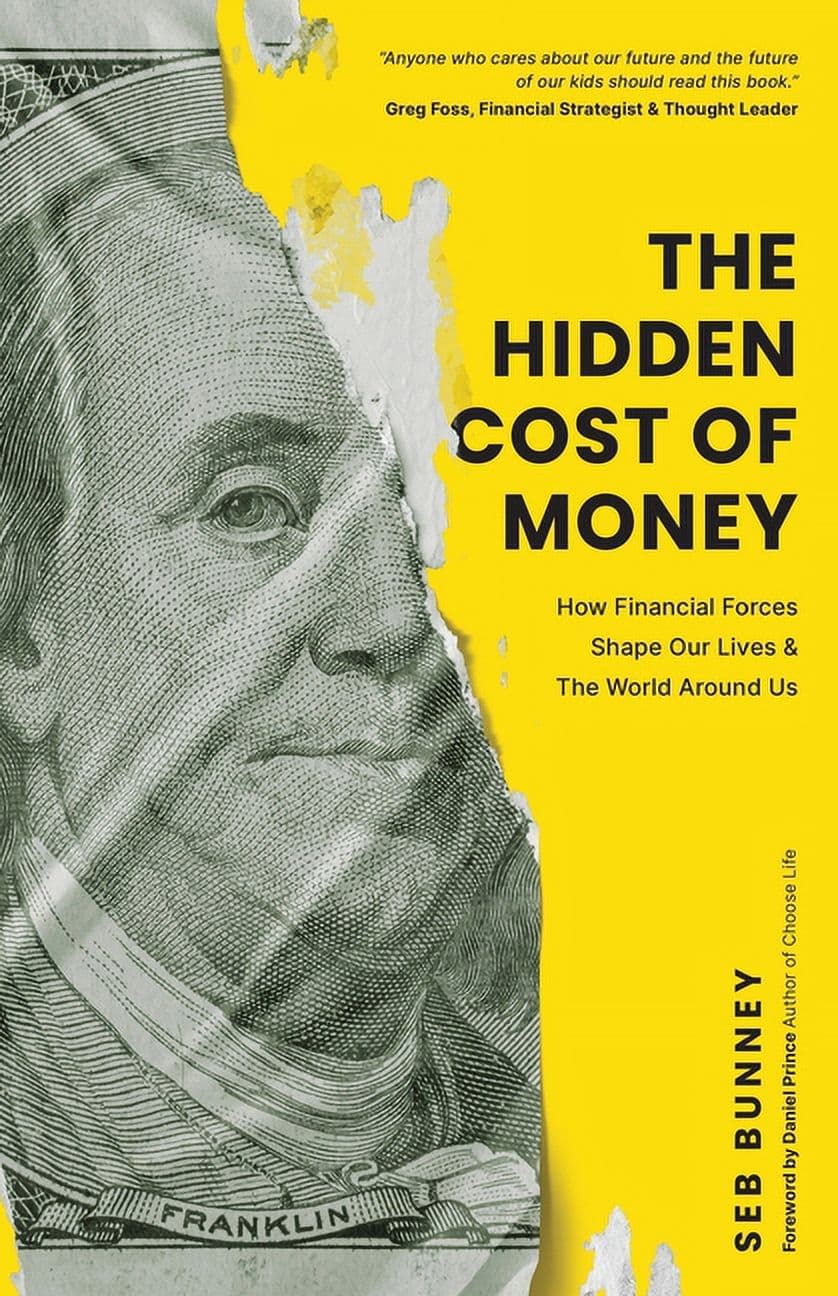 Recommended nextThe Hidden Cost of MoneySeb BunneyBeginner · Long · RecommendedReaders connecting monetary systems with everyday life
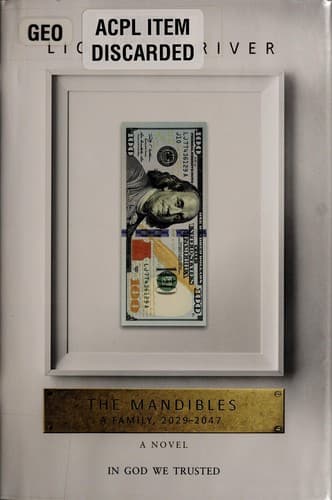 Another perspectiveThe MandiblesLionel ShriverIntermediate · Long · ContextualReaders who want monetary themes explored through fiction
Lesson summary
Key takeaways
Fiat currency is government-issued money that is generally not backed by a fixed commodity.
Its value depends on acceptance, government authority, economic activity and confidence in institutions.
Most fiat money exists as digital bank balances rather than physical notes and coins.
Central banks, governments and commercial banks all influence monetary conditions.
The next lesson explains how central-bank money and commercial-bank deposits are created.
Inflation reduces purchasing power when prices rise over time.
Historical currency failures usually involved several reinforcing economic and political pressures, not one isolated cause.
Fiat systems provide flexibility but depend heavily on central institutions and monetary management.
Bitcoin uses a different model based on transparent rules and predetermined issuance.