
The basic idea
A Bitcoin wallet does not actually store bitcoin
The name wallet can be misleading because bitcoin is not stored inside an application or hardware device.
Bitcoin ownership is recorded through transaction outputs on the blockchain.
A wallet stores or manages the private keys needed to prove that the user is authorised to spend those outputs.
It also provides a convenient interface for viewing balances, generating addresses and creating transactions.
Simple definition
A Bitcoin wallet is a tool that manages the keys required to receive and spend bitcoin.
Wallet functions
What does a Bitcoin wallet do?
A wallet performs several technical tasks behind a simple user interface.
Generate keys
A wallet creates the private and public keys needed to control bitcoin.
Create addresses
It generates Bitcoin addresses that can be shared with others to receive payments.
Track funds
It identifies spendable transaction outputs associated with the user's keys.
Build transactions
It selects inputs, creates recipient and change outputs, and calculates fees.
Sign transactions
It uses private keys to authorise spending without exposing those keys to the network.
Display activity
It presents balances, transaction history and confirmation status in a readable format.
Private keys
The private key controls spending
A private key is secret information used to create digital signatures.
Those signatures prove that a transaction was authorised by the person controlling the required key.
The private key should never be shared because anyone who obtains it may be able to spend the associated bitcoin.
Most modern wallets hide individual private keys from the user and manage them through a recovery phrase.
Wallet recovery
What is a recovery phrase?
A recovery phrase is a sequence of words generated when many Bitcoin wallets are created.
The wallet uses this phrase to derive the private keys and addresses associated with the wallet.
If the original device is lost or damaged, the phrase can usually restore access using compatible wallet software.
Anyone who obtains the phrase may also be able to restore the wallet and spend its bitcoin.
Never share it
A legitimate wallet provider, exchange or support worker should not need your recovery phrase. Entering it into an untrusted website or application can result in immediate loss of funds.
Wallet categories
Common types of Bitcoin wallets
Different wallet types offer different balances between convenience, control and security.
Mobile wallet
A wallet application installed on a phone. Mobile wallets are convenient for regular payments and smaller balances.
Desktop wallet
Wallet software installed on a computer. Desktop wallets can provide more features and greater control.
Hardware wallet
A dedicated physical device designed to protect private keys and sign transactions securely.
Web wallet
A wallet accessed through a browser or online account. These are convenient but often involve greater reliance on a provider.
Connectivity
Hot wallets and cold wallets
Hot wallet
A wallet used on a device connected to the internet. It is convenient but has greater exposure to malware and online attacks.
Cold wallet
A wallet where private keys remain offline or isolated from internet-connected devices. It is commonly used for longer-term storage.
A common approach is to keep smaller spending amounts in a hot wallet and larger long-term holdings in a more isolated wallet.
Where bitcoin is held
Exchange account, hot wallet or cold wallet?
An exchange is a service, while hot and cold describe how a wallet's keys are stored and connected.
Custodial service
Exchange account
The provider normally controls the private keys. It can be convenient for buying or trading, but access and withdrawals depend on that provider.
Convenient self-custody
Hot self-custody wallet
You control the keys on an internet-connected phone or computer. It is convenient for regular use but has more online and device exposure.
More isolated self-custody
Cold self-custody wallet
You control keys kept offline or isolated from everyday internet-connected devices. It suits longer-term storage but requires careful backups.
A balance shown by an exchange is not the same as holding the keys yourself. If you withdraw to a self-custody wallet, you take control—and responsibility for its backup and security.
Dedicated devices
What is a hardware wallet?
A hardware wallet is a specialised device designed to keep private keys separated from a general-purpose computer or phone.
The device signs transactions internally and returns the signed transaction without exposing the private key.
Users should verify transaction details on the hardware wallet's own screen before approving a payment.
Hardware wallets reduce some risks, but they still require safe setup, secure backups and protection against fraudulent devices or software.
Their main benefit is keeping signing keys isolated from an everyday internet-connected computer. They do not make a user immune to phishing, incorrect addresses, malicious instructions or a lost recovery backup.
Custody
Custodial and self-custody wallets
The most important wallet distinction is often who controls the private keys.
Who controls the keys?
Custodial
The service provider controls the private keys on the user's behalf.
Self-custody
The user controls the private keys directly.
Account recovery
Custodial
The provider may offer password resets and account recovery processes.
Self-custody
Recovery depends on the user's backup, normally a recovery phrase.
Transaction approval
Custodial
The provider may delay, restrict or reject transactions.
Self-custody
The user can create transactions without seeking approval from a custodian.
Main risk
Custodial
The user depends on the provider's security, solvency and policies.
Self-custody
The user is responsible for protecting keys and recovery information.
Receiving funds
Wallets can generate many addresses
A modern Bitcoin wallet can generate many receiving addresses from one recovery phrase.
Using a fresh address for each payment can make it more difficult for outside observers to connect transactions.
Previously used addresses generally remain valid, but address reuse can reduce privacy.
The wallet tracks these addresses and combines their spendable outputs when calculating the displayed balance.
Wallet security
Basic security practices
Wallet security depends on both the technology and the way it is used.
Download wallet software only from official or trusted sources.
Never share your private key or recovery phrase.
Store recovery information somewhere secure and private.
Use a strong device password or PIN.
Confirm recipient addresses on a trusted screen before sending.
Keep wallet software and device operating systems updated.
Test recovery procedures with small amounts before storing significant funds.
Use smaller balances in frequently connected wallets.
Common misunderstandings
Important wallet concepts
The wallet does not contain coins
Bitcoin remains recorded on the blockchain. The wallet holds the keys needed to control spendable outputs.
The recovery phrase is not a password
Anyone who obtains the recovery phrase may be able to recreate the wallet and spend its bitcoin.
Deleting the wallet does not delete Bitcoin
Funds remain recorded on the blockchain, but they may become inaccessible without the required keys or backup.
An address is safe to share
A receiving address can be shared publicly. Private keys and recovery phrases must remain secret.
Choosing a wallet
The right wallet depends on its purpose
A beginner making small payments may prioritise convenience and a simple mobile interface.
Someone storing larger amounts for a long period may prioritise private-key isolation, secure backups and recovery testing.
No wallet removes every risk. The safest setup is one that the user understands and can recover correctly.
A complicated wallet used incorrectly may be less secure than a simpler wallet used carefully.
Knowledge check
Before continuing
What does a Bitcoin wallet actually store or manage?
Why must a private key remain secret?
What is the purpose of a recovery phrase?
What is the difference between a hot wallet and a cold wallet?
How does a hardware wallet protect private keys?
What is the main difference between custodial and self-custody wallets?
Why can using new receiving addresses improve privacy?
Why should a wallet recovery process be tested?
Visual recap
What a wallet actually manages
A wallet does not hold coins inside the device. It manages keys and uses network information to track spendable outputs.
Backup
Private keys
Receive addresses
Sign spending
References
Further reading
From the 21Relay Library
Recommended reading for this lesson
Optional books selected to reinforce this topic or provide a useful second perspective.
 Recommended nextInventing BitcoinYan PritzkerBeginner · Short · EssentialA first technical book about Bitcoin
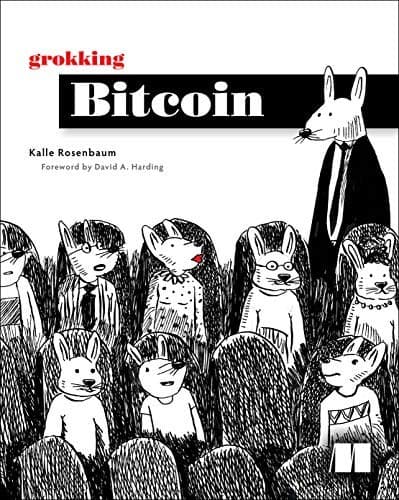 Another perspectiveGrokking BitcoinKalle RosenbaumIntermediate · Long · EssentialVisual learners moving beyond the basics
Lesson summary
Key takeaways
A Bitcoin wallet manages the keys needed to receive and spend bitcoin.
Bitcoin remains recorded on the blockchain rather than being stored inside the wallet.
Private keys authorise transactions and must remain secret.
A recovery phrase can recreate the wallet's keys and must be protected carefully.
Hot wallets prioritise convenience, while cold wallets reduce internet exposure.
Hardware wallets isolate private keys and sign transactions internally.
Custodial wallets depend on a provider, while self-custody wallets place responsibility on the user.
Wallets can generate multiple receiving addresses from one recovery phrase.
The best wallet is one suited to the user's purpose and understood well enough to use and recover safely.