
The basic idea
Money helps people coordinate
People have always needed a way to exchange goods and services. Without money, trade would usually rely on barter.
Barter means directly exchanging one item for another. For example, someone might exchange bread for firewood.
The problem is that both people must want exactly what the other person has at the same time. Economists call this the double coincidence of wants.
Money solves this problem by acting as something that people commonly accept. You can sell your work or goods for money, then use that money later to purchase something completely different.
Simple definition
Money is a widely accepted tool used to exchange value, measure prices and preserve purchasing power.
Core concepts
The three functions of money
Something generally performs as money when it can serve these three important functions.
Medium of exchange
Money allows people to trade without needing to find someone who wants exactly what they are offering.
Example
You can earn money from one person and spend it later with someone else.
Unit of account
Money provides a common measurement for comparing the prices of different goods and services.
Example
A laptop may cost $1,500 while a coffee may cost $5.
Store of value
Money allows purchasing power to be saved and used in the future.
Example
Someone can save part of their income today and spend it next year.
Purchasing power
What does storing value mean?
Purchasing power describes how much you can buy with a certain amount of money.
A useful store of value should preserve a reasonable amount of its purchasing power between the time it is earned and the time it is spent.
No form of money preserves value perfectly. Prices, demand, supply and economic conditions can all change. However, some forms of money are better at retaining value over long periods than others.
Monetary properties
What makes something useful as money?
Throughout history, societies have preferred forms of money that possess several useful qualities.
Durable
It should survive repeated use and remain useful over time.
Portable
It should be practical to carry or transfer between people.
Divisible
It should be possible to divide it into smaller units.
Recognisable
People should be able to identify and verify that it is genuine.
Fungible
Each unit should generally be interchangeable with another equal unit.
Scarce
Its supply should be limited enough that people continue to value it.
Why scarcity matters
Abundant things struggle to hold value
Something that can be created easily and without limit may struggle to retain value because its supply can rapidly increase.
Scarcity does not automatically make something valuable, but limited supply can be an important property when combined with usefulness and demand.
Forms of money
Money can take many forms
Money is not limited to paper notes and metal coins. Different societies have used livestock, shells, salt, precious metals, government currency and digital records as money.
The material itself is less important than whether people trust it, accept it and believe that others will continue to accept it.
Modern money is increasingly digital. Most bank balances are records maintained by financial institutions rather than physical cash stored in a vault for each customer.
Connecting this to Bitcoin
Why learn about money before Bitcoin?
Bitcoin is often described as digital money, but understanding that statement requires knowing what money is designed to do.
Later lessons will examine how Bitcoin performs as a medium of exchange, a unit of account and a store of value.
You will also learn how Bitcoin differs from government-issued currency, bank balances and traditional payment systems.
Knowledge check
Before continuing
Why is barter less convenient than using money?
What are the three main functions of money?
Why can scarcity be an important monetary property?
What does purchasing power describe?
Visual recap
How money makes exchange easier
Money works because people recognise it as a shared tool for pricing, payment and saving.
Need or value
Shared unit
Exchange
Save for later
References
Further reading
From the 21Relay Library
Recommended reading for this lesson
Optional books selected to reinforce this topic or provide a useful second perspective.
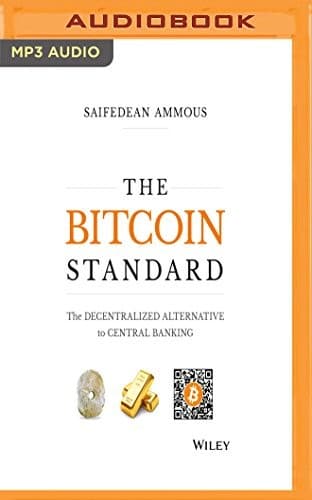 Recommended nextThe Bitcoin StandardSaifedean AmmousIntermediate · Long · ContextualComparing strong monetary arguments
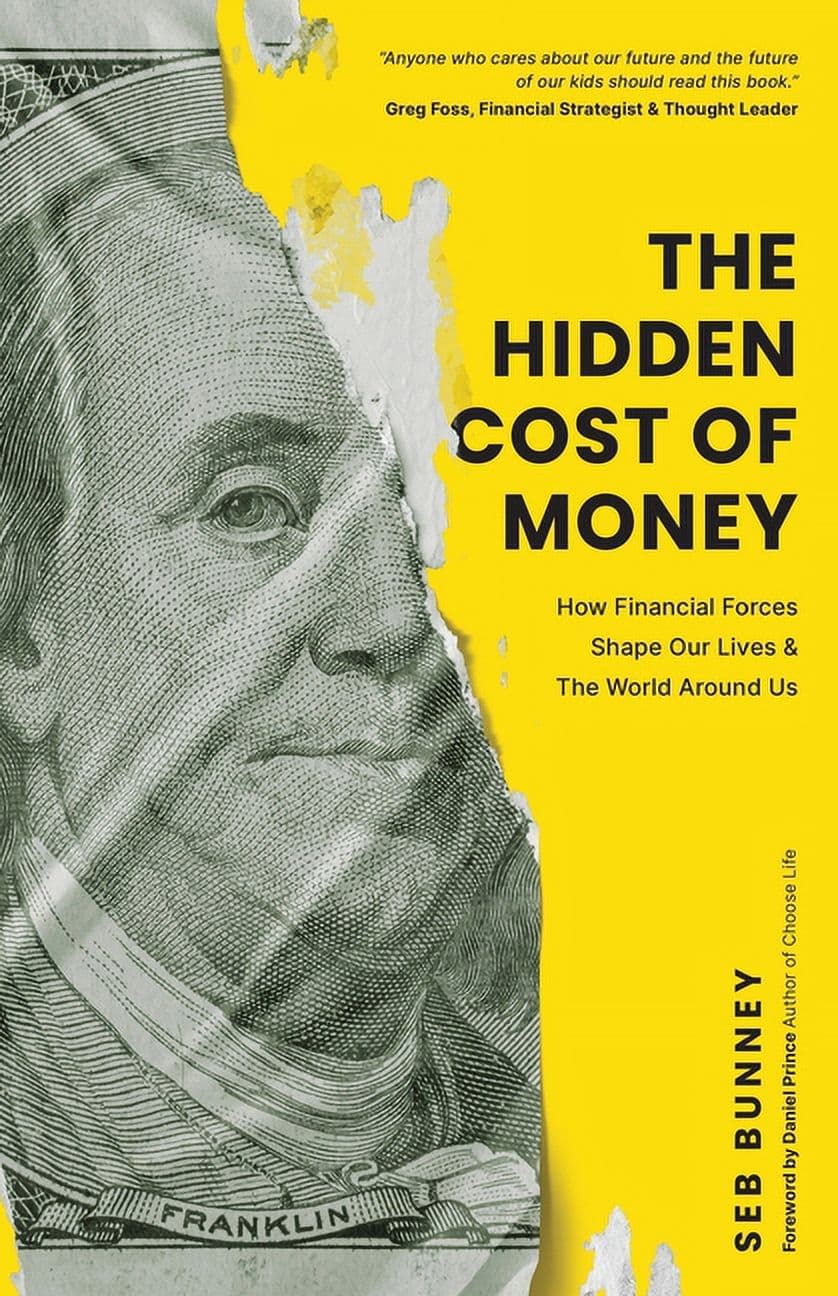 Another perspectiveThe Hidden Cost of MoneySeb BunneyBeginner · Long · RecommendedReaders connecting monetary systems with everyday life
Lesson summary
Key takeaways
Money allows people to exchange value more efficiently than barter.
The three main functions of money are medium of exchange, unit of account and store of value.
Useful money is generally durable, portable, divisible, recognisable, fungible and scarce.
Purchasing power describes how much can be bought with a certain amount of money.
Money can exist in physical or digital form.