
The central question
What problem is Bitcoin trying to solve?
Modern money works well for many everyday activities, but it depends heavily on governments, banks and payment companies.
These institutions maintain account records, approve transactions, manage access and influence the supply of money.
Bitcoin introduced an alternative system where ownership and transactions can be verified by an open network rather than one central institution.
The purpose of Bitcoin is not simply to make digital payments. It is to create digital scarcity and allow users to verify and control money more independently.
The existing system
Problems Bitcoin attempts to address
Bitcoin does not solve every financial problem, but it changes how several important monetary risks are handled.
Dependence on intermediaries
Traditional digital payments usually rely on banks, payment processors and central account records.
Expanding money supply
Fiat currency supply can increase through monetary policy, lending and government activity.
Restricted access
Banking services may depend on identity requirements, location, institutional approval and local infrastructure.
Limited financial control
Funds held through institutions may be frozen, delayed, restricted or subject to third-party rules.
Digital scarcity
Why Bitcoin's limited supply matters
Digital files are normally easy to copy. That makes digital scarcity difficult to create.
Bitcoin solves this by maintaining a shared record of valid ownership and preventing the same bitcoin from being spent more than once.
Bitcoin's issuance schedule is defined in its consensus rules, and the supply gradually approaches a maximum of 21 million coins.
Supporters value this predictability because no central authority can independently create additional bitcoin.
Purchasing power
Why some people use Bitcoin as savings
Fiat currencies can lose purchasing power over time as the prices of goods and services increase.
Bitcoin's fixed supply policy has led some people to treat it as a long-term savings asset.
The idea is that a scarce asset may preserve value better than a currency whose supply can continually expand.
However, Bitcoin's price remains volatile, so it does not provide stable purchasing power over short periods.
Financial control
Bitcoin allows self-custody
With traditional banking, an institution holds and manages the account records on your behalf.
Bitcoin allows users to control funds directly through private keys.
This reduces dependence on a custodian, but it also transfers responsibility to the user.
Losing a private key or recovery backup can permanently remove access to the associated bitcoin.
Bitcoin's design
Why people consider Bitcoin useful
Bitcoin combines monetary and technical properties that appeal to different users for different reasons.
Fixed maximum supply
Bitcoin follows a predetermined issuance schedule and has a maximum supply of 21 million coins.
Self-custody
Users can control bitcoin directly by securely holding their own private keys.
Open participation
Anyone with compatible software and network access can use Bitcoin without asking for permission.
Independent verification
Users can run a node to verify transactions, supply and consensus rules for themselves.
Global settlement
Bitcoin can transfer value across borders without relying on one national payment network.
Transparent rules
Bitcoin's software and monetary rules are publicly visible and can be independently inspected.
Open access
Bitcoin is permissionless
Anyone can download Bitcoin software, create a wallet, receive bitcoin or run a node.
The Bitcoin protocol itself does not require users to apply for an account or receive approval from a central operator.
Services built around Bitcoin may still apply identity checks or local restrictions, but the underlying network remains open.
Verification
Do not trust, verify
In traditional finance, users generally trust institutions to maintain accurate records.
Bitcoin allows users to independently verify transactions, blocks and supply rules by running a node.
This does not mean every user must personally inspect every line of code.
It means the system gives participants the ability to verify the rules rather than relying exclusively on authority.
Practical uses
What do people use Bitcoin for?
Long-term savings
Some people hold bitcoin as a scarce asset intended to preserve value over long periods.
Cross-border transfers
Bitcoin can move internationally without requiring the same chain of correspondent banks.
Self-custodied wealth
Users can hold value without leaving it entirely under the control of a financial institution.
Payments
Bitcoin can be used for direct payments, while additional systems such as Lightning can support faster transfers.
Financial access
People can participate using software rather than requiring access to a traditional bank branch.
Independent verification
Individuals and businesses can verify the monetary system using their own Bitcoin node.
Important distinction
Scarcity does not guarantee value
A limited supply alone does not make something valuable.
Value also depends on demand, usefulness, security, liquidity, adoption and confidence in the network.
Bitcoin's price can still fall significantly even though its maximum supply is limited.
Understanding Bitcoin requires assessing both its monetary properties and its risks.
Responsibilities and risks
Bitcoin involves trade-offs
Greater control and fewer intermediaries can also mean greater personal responsibility.
Bitcoin's market price can rise or fall significantly over short periods.
Private keys and recovery backups must be protected carefully.
Transactions are generally difficult to reverse once confirmed.
Network fees may increase during periods of high demand.
Bitcoin adoption and regulation differ between countries.
Using Bitcoin safely requires more personal responsibility than using a custodial bank account.
A balanced view
Bitcoin is an alternative, not a perfect replacement
Fiat systems are widely accepted, convenient and supported by mature financial infrastructure.
Bitcoin provides different properties, including fixed issuance, self-custody and independent verification.
These systems can exist alongside one another and may be useful for different purposes.
The question is not whether Bitcoin removes every monetary problem. It is whether its different rules provide value to people who want an alternative.
Knowledge check
Before continuing
Why is digital scarcity difficult to create?
Why do some people use Bitcoin as a long-term savings asset?
What does self-custody mean?
Why is Bitcoin described as permissionless?
How can a user independently verify Bitcoin's rules?
Why does limited supply not automatically guarantee value?
What responsibilities come with controlling private keys?
Visual recap
Verification replaces a central operator
Bitcoin coordinates ownership and settlement through signatures, a peer network and independently enforced rules.
Owner signs
Peers relay
Miners propose
Nodes verify
References
Further reading
From the 21Relay Library
Recommended reading for this lesson
Optional books selected to reinforce this topic or provide a useful second perspective.
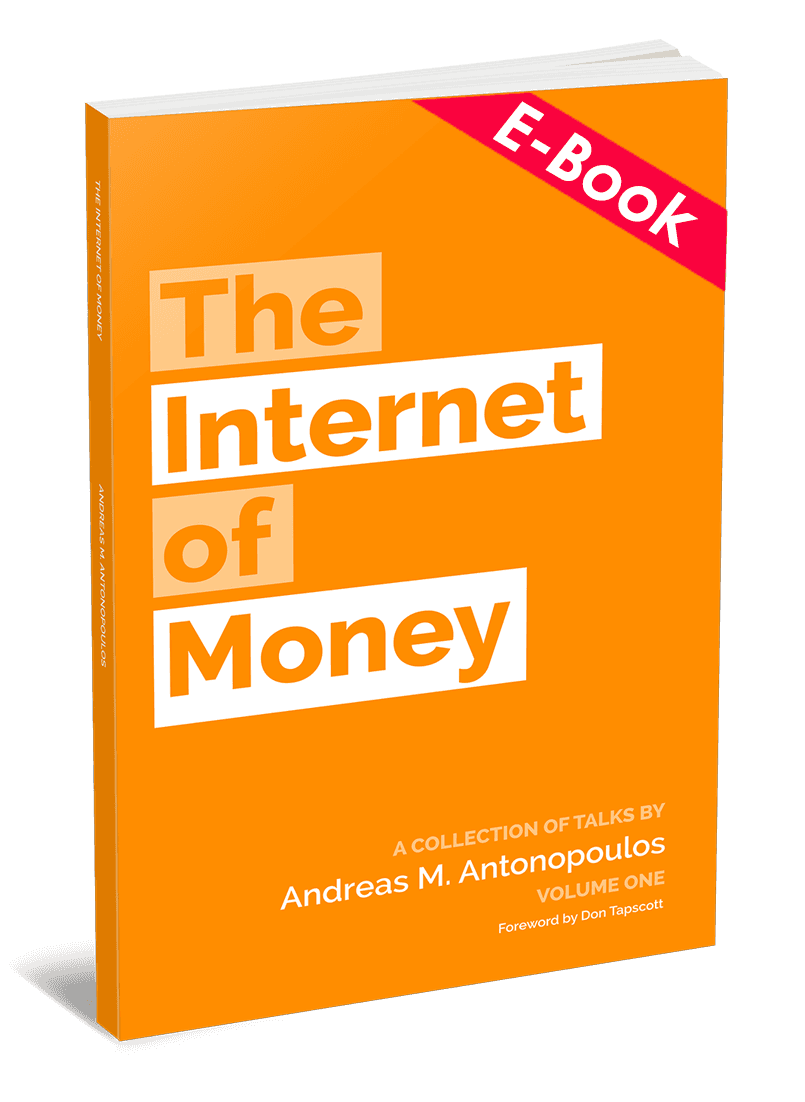 Recommended nextThe Internet of MoneyAndreas M. AntonopoulosBeginner · Medium · RecommendedReaders who want ideas and use cases before protocol detail
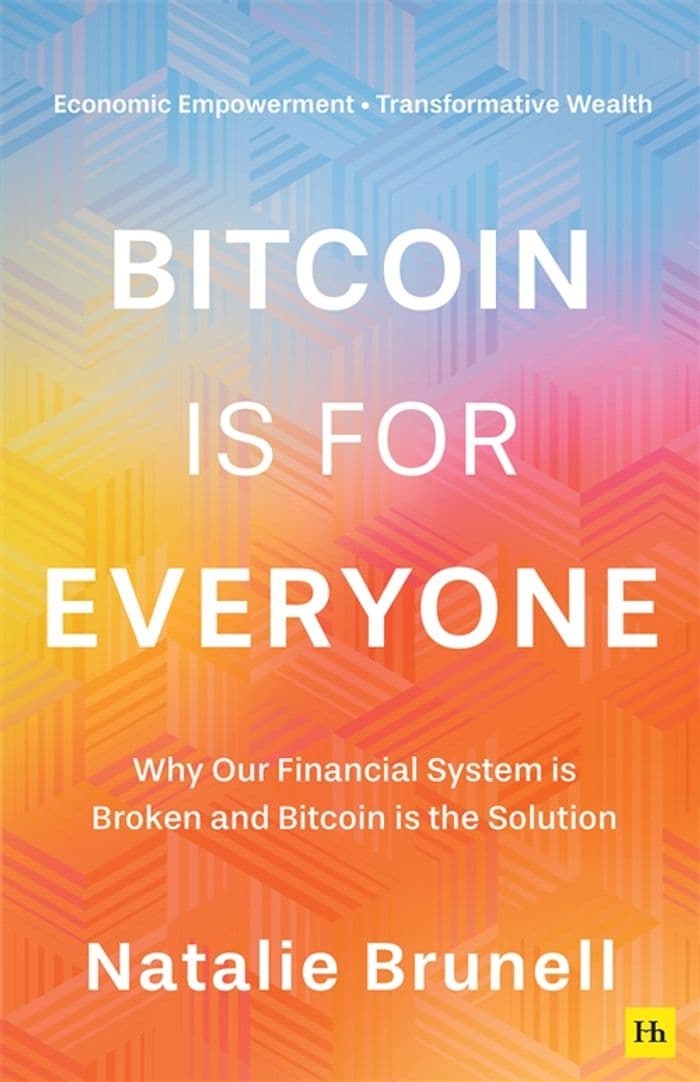 Another perspectiveBitcoin Is for EveryoneNatalie BrunellBeginner · Medium · RecommendedReaders starting from personal finance
Lesson summary
Key takeaways
Bitcoin offers an alternative to centrally managed monetary and payment systems.
Its consensus rules limit the total supply to 21 million bitcoin.
Some people use Bitcoin as a long-term savings asset because of its scarcity.
Bitcoin allows users to control funds directly through private keys.
The network is permissionless and globally accessible.
Users can independently verify transactions and rules by running a node.
Bitcoin provides greater control but also creates greater personal responsibility.
Scarcity alone does not guarantee demand, stability or future value.