Who created Bitcoin?
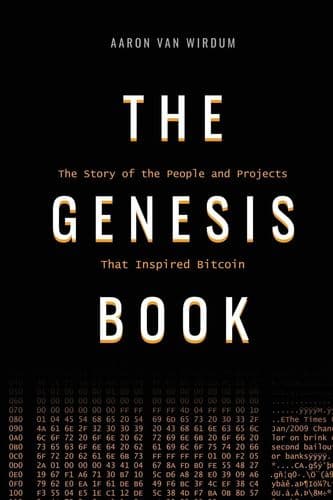
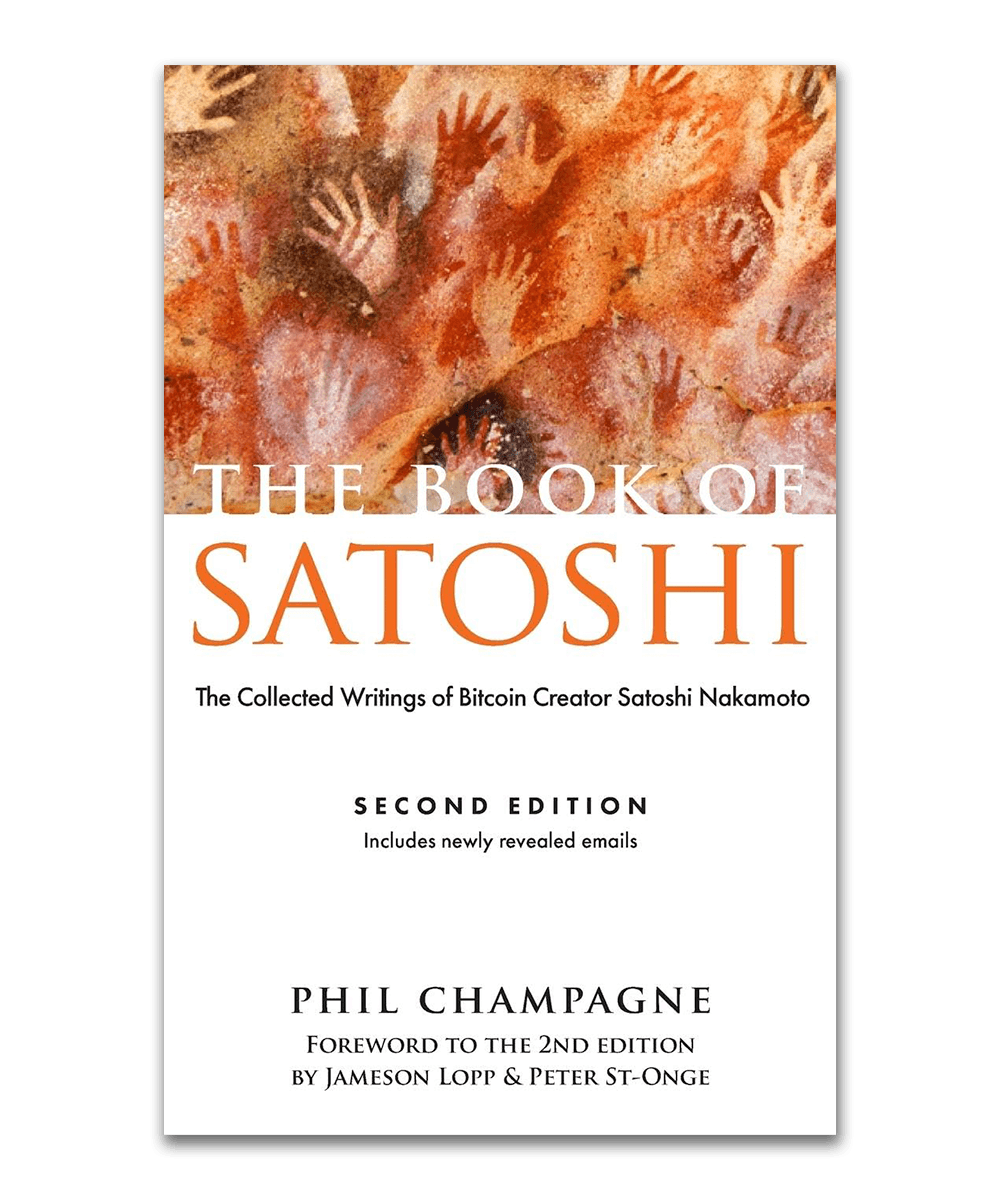
Bitcoin was introduced under the name Satoshi Nakamoto. In October 2008, Satoshi announced the Bitcoin white paper to a cryptography mailing list, describing a peer-to-peer electronic cash system that could operate without a trusted financial intermediary.
The initial open-source software and network followed in 2009. Satoshi wrote early code and worked with the first contributors, but Bitcoin also built on decades of earlier research in cryptography, digital cash, proof of work and distributed systems.
Who is Satoshi Nakamoto?
Satoshi Nakamoto is a pseudonym. No individual or group has publicly proved beyond reasonable doubt that they used it, so responsible explanations separate documented messages and code from speculation about identity.
Satoshi gradually stopped participating publicly after other developers and users were already maintaining the software and network. Claims about Satoshi should be treated cautiously unless they are supported by strong, independently verifiable evidence.
What did Satoshi contribute?
Satoshi combined existing ideas into a working system: a chain of proof-of-work blocks, independent validation by network nodes, a predictable issuance schedule and incentives for miners to order transactions.
The important achievement was not a single isolated invention. It was making the pieces operate together so participants could agree on transaction history without one central operator controlling the ledger.
Why Bitcoin does not need its creator
Bitcoin's software is open source. Anyone can inspect it, propose changes or run a node, while each node independently decides which rules it will enforce.
Satoshi has no administrator password or special ability to change the supply, reverse payments or command other people's nodes. That separation between creator and network is a central part of Bitcoin's decentralised design.
Identity claims require evidence
A convincing identity claim would require strong cryptographic and historical evidence, not publicity, writing similarities or personal stories alone. Signing a fresh message with keys strongly associated with Satoshi could support a claim, although even that would prove control of keys rather than every detail of a person's identity.
For learning Bitcoin, the protocol's verifiable rules matter more than guessing who Satoshi was. You can inspect the white paper, source code and blockchain without trusting a biography of its creator.
Visual recap
From proposal to an independent network
Bitcoin moved from one pseudonymous author's proposal to open software maintained and verified by a global community.
Earlier digital-cash research
2008 white paper
Open-source software
Network launch
Independent nodes and contributors
Key takeaways
- Bitcoin was introduced under the pseudonym Satoshi Nakamoto.
- Satoshi's real-world identity remains unproven.
- Bitcoin combined earlier research into a practical peer-to-peer monetary network.
- Open-source code and independent node validation allow Bitcoin to continue without its creator.
- Documented evidence should be separated from speculation about Satoshi.
Lesson recap
Check what you learned
Reveal each model answer, then honestly mark whether you understood it or need another review.
1 of 3
Recall
Why can Bitcoin continue without knowing Satoshi's identity?
References